
Inflation Easing: Myth vs. Reality on UK Supermarket Shelves
While headlines celebrate easing inflation, your grocery bill tells a different story about the reality of price stickiness.

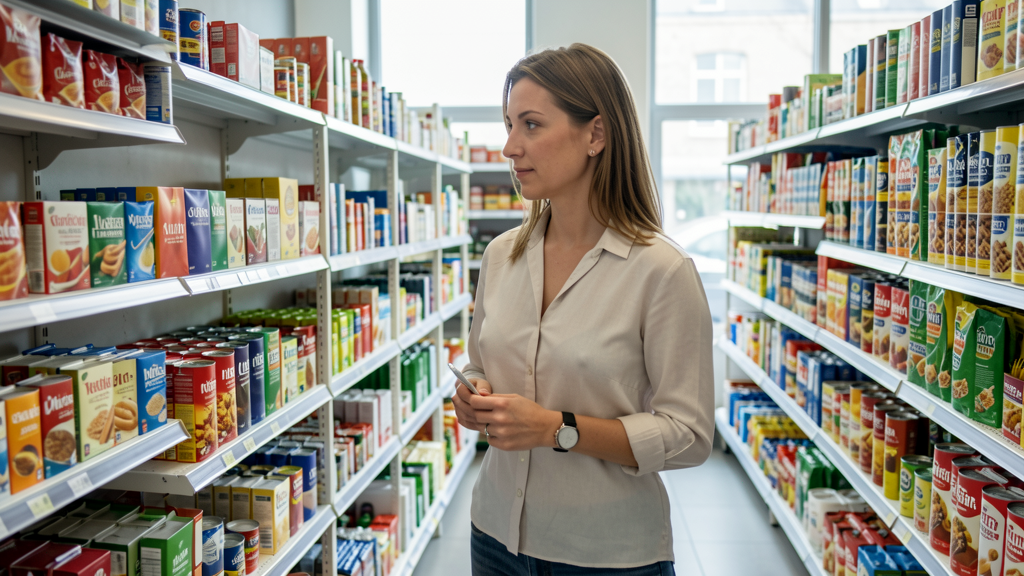
The newspapers are finally celebrating. The Office for National Statistics (ONS) reported last month that the Consumer Price Index (CPI) settled comfortably at the Bank of England’s 2% target, a figure we haven’t seen consistently since before the global geopolitical shocks of 2022. The headlines scream "cost of living crisis over," and the analysts on the morning shows are nodding sagely about softening landing. Yet, standing in the aisle of a Tesco Express in Clapham last Tuesday, staring at a £4.50 block of cheddar that cost £3.00 two years ago, I felt absolutely zero relief.
This is the great disconnection of 2026. The macroeconomic data suggests the fever has broken, but the microeconomic experience—the actual act of paying for your weekly shop—feels distinctly feverish. We are witnessing a classic case of disinflation being marketed as deflation. The prices are not going down; they are merely climbing the stairs more slowly. To understand why your wallet still feels light despite the rosy economic outlook, we have to dismantle the myths surrounding "easing" inflation and look at the sticky reality of the business-finance landscape.
Myth: Falling Inflation Means Cheaper Groceries
This is the most pervasive and dangerous misunderstanding in the current economic narrative. When the news anchor says "inflation is down," they do not mean prices are dropping. They mean the rate at which prices are rising has slowed. If a loaf of bread jumps from £1.20 to £1.50, that is a 25% hike. If the next year it rises from £1.50 to £1.53, inflation has collapsed to 2%. The headline looks great. The statistician is happy. But you are still paying 27.5% more for your toast than you were before.
The reality is that the price peaks reached during the 2023–2024 supply chain crisis have become the new floor. Supermarkets are not in the business of altruism. Once a price point has been normalized in the consumer’s mind, rolling it back requires intense competitive pressure that simply doesn't exist right now. Margins are still being repaired after years of absorbing input costs. The notion that we will see a "rollback" to 2021 pricing is a fantasy. We have permanently shifted to a higher pricing plateau, and the only victory currently on offer is that things stop getting worse quite so fast.
The "Shrinkflation" Trick Is Over
For a while, we could spot the inflation in the physics of the product. The cereal box got taller but thinner; the bag of crisps contained more air than chips; the "sharing size" chocolate bar slowly withered into a "snack size." It was a visible, tangible indignity. We complained, but we understood the math: less product for the same price equals a higher effective cost per gram.
Now, we have entered a more opaque phase. Pack sizes have stabilized largely because they cannot physically get any smaller without becoming ridiculous. You cannot sell a single potato in a bag and call it a side dish. Instead, retailers are relying on "dynamic pricing" and a complex web of loyalty card discounts to mask the true cost.
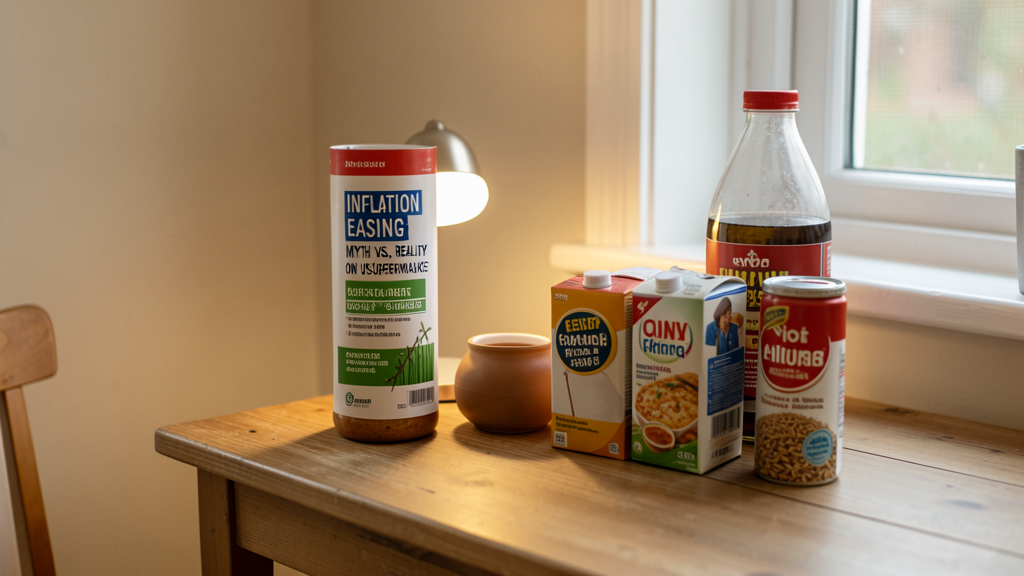
The savvy shopper knows that the price on the shelf is often irrelevant unless you are tapped into the ecosystem. If you don’t scan your Clubcard or Nectar app, you are effectively paying a "loyalty tax." The stated price has remained static, but the accessible price has fractured. This creates a data smokescreen. Supermarkets can claim they are holding prices on key staples, which is technically true if you are part of the digital inner circle, but the casual shopper pays the premium. It is a segmentation strategy that punishes those who can’t or won’t engage with the data harvesting apparatus of modern retail.
Why Input Costs Don't Translate to Savings
A common argument I hear is that energy prices have stabilized and supply chains have unclogged, so food should get cheaper. It sounds logical. If the cost of wheat or oil drops, the cost of bread should follow. But this ignores the structural lag in the system and the corporate imperative for profit recovery.
When energy prices spiked in 2023, supermarkets absorbed as much as they could to prevent mass customer churn, accepting razor-thin margins. Now that the pressure is alleviating, they are using the stability to rebuild their profit buffers rather than passing the savings to the consumer. This is partly a reaction to the 4 Sectors That Actually Profit from High Interest Rates. Just as financial institutions leverage rate environments to maximize yield, retail giants are using the period of disinflation to consolidate their balance sheets.
Furthermore, labor costs have structurally increased. The minimum wage hikes of 2024 and 2025 are here to stay. These costs are baked in. Even if the price of diesel for the delivery trucks drops by 10%, the cost of the driver driving it hasn't. Retailers are successfully arguing that while "commodity" prices are volatile, the "structural" costs of doing business in the UK economy have permanently risen. They are using this distinction to justify keeping shelf prices high.
The "Premiumization" Trap
Walk into any major UK supermarket today and you will notice a distinct shift in floor space allocation. The "Value" or "Budget" ranges, once the savior of squeezed households, are shrinking. In their place, mid-tier "Premium" or "Finest" ranges have expanded.
This is a deliberate psychological play. When the cheapest option disappears or is moved to the bottom shelf in a corner, the consumer’s anchor point shifts. You walk in intending to buy the £1 beans, find them gone, and begrudgingly buy the £1.40 beans because they are the new baseline. You tell yourself it’s only 40p, but across a trolley of 50 items, that is a £20 surcharge on your budget.
Retailers are banking on the fact that the British consumer is quality-conscious and, after years of stress, is willing to "treat themselves" slightly better even if the finances don't quite warrant it. By narrowing the choice at the bottom end, they gently push the entire market average upward. It is a stealth price rise disguised as a "curated shopping experience." The statistic capturing the price of "baked beans" might show stability, but that is because the specific basket of beans being measured has changed from the budget line to the standard line.
When Will We Actually Feel Relief?
So, if disinflation isn't the answer, what is? When do we stop wincing at the checkout? The uncomfortable truth is that we are waiting for wage growth to catch up with the price levels of 2024, not for prices to come down.
We are currently in a phase of real income repair. Wages are finally rising above the inflation rate, but this is a lagging indicator. It will take another 12 to 18 months of sustained wage growth for the "pain" of the price hikes to truly recede. Until then, the psychological impact of the "cost of living crisis" remains. The trauma of the high-inflation era persists in our budgeting habits, even if the macroeconomic storm clouds have cleared.
There is also a geopolitical wildcard. Just as we breathe a sigh of relief regarding domestic stability, global factors can reel us back in. The volatility in energy markets remains a background threat. As we analyzed recently regarding Why Are Oil Prices Rising Despite Global Demand Fears?, external shocks do not always align with local economic logic. A sudden spike in oil costs later in 2026 could undo months of careful stabilization, sending transport costs—and consequently food prices—back upward.
The reality for the UK consumer in 2026 is one of vigilance. The narrative of "easing" is a comfort for economists, but for the person swiping a card at the self-checkout, it is a hollow victory. The price of the weekly shop has found a new, expensive altitude, and short of a massive competitive disruption or a deflationary shock, we are stuck here. The only power we have left is to understand the difference between the headline and the receipt, and to shop with the cynical knowledge that the "crisis" may be over in the spreadsheets, but it is alive and well on the supermarket shelves.
Read next
Why Are Oil Prices Rising Despite Global Demand Fears?
Despite manufacturing contraction in China and recessionary signals, oil prices are climbing; here is how OPEC+ production overrides macroeconomic weakness.
Who Wins When Rates Rise? 4 Sectors Defying the Gravity of the BoE
While the broader market flinches at every Bank of England announcement, specific industries are leveraging the high-rate environment to deliver record margin expansion and stability.